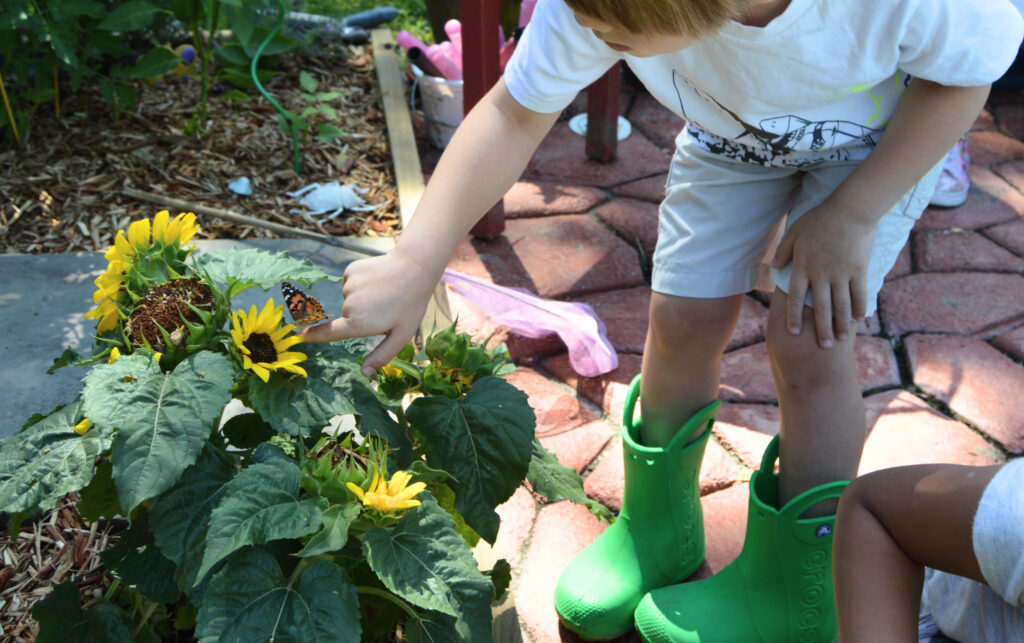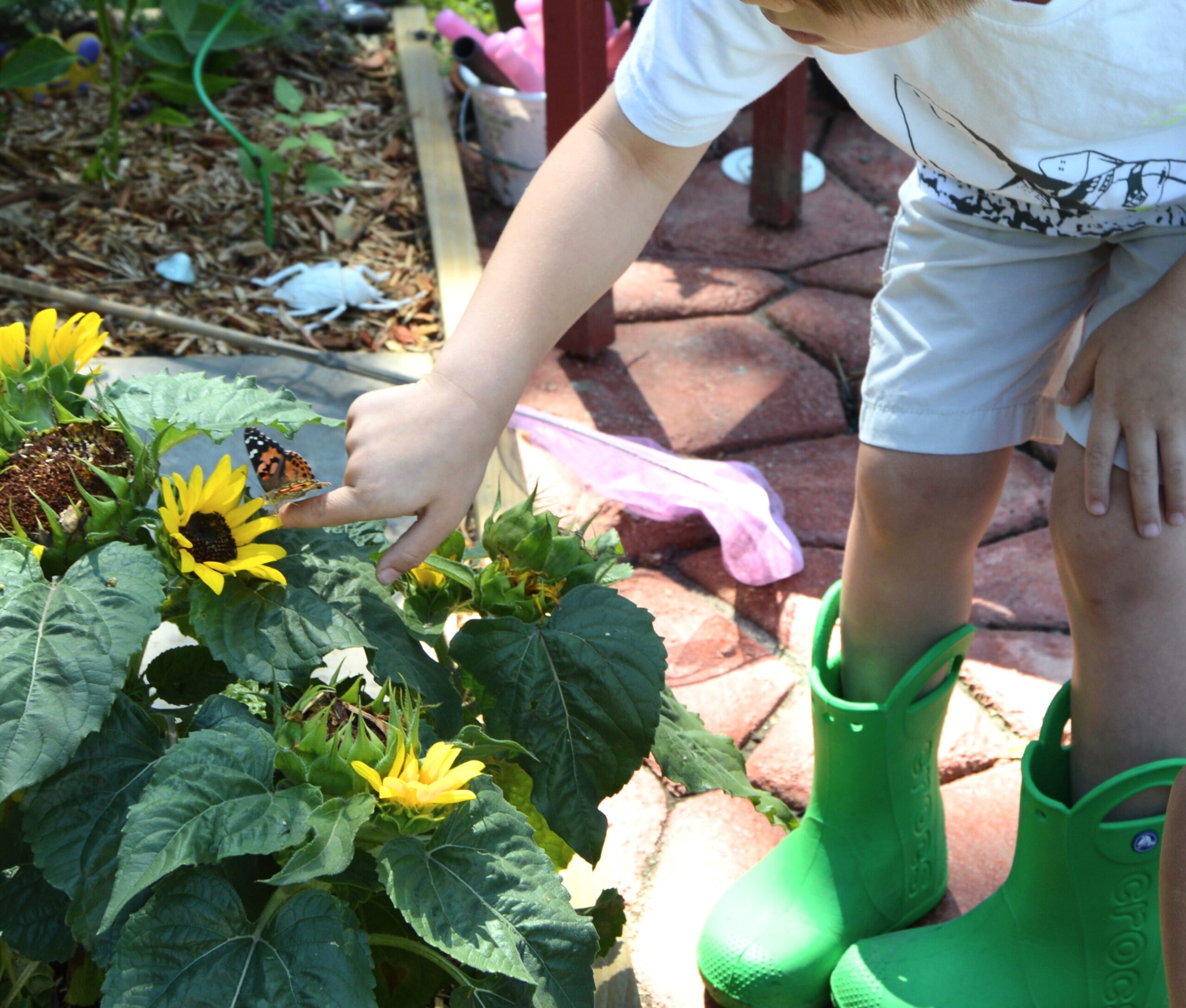

Young children are fascinated by the world around them which is why gardening is great activity to begin exposing them to early on.
Simple garden activities provide children with the opportunity to engage their senses, gain new motor skills, practice patience and learn responsibility. Children also start to understand the concept of where their food comes from and why eating healthy food is important.
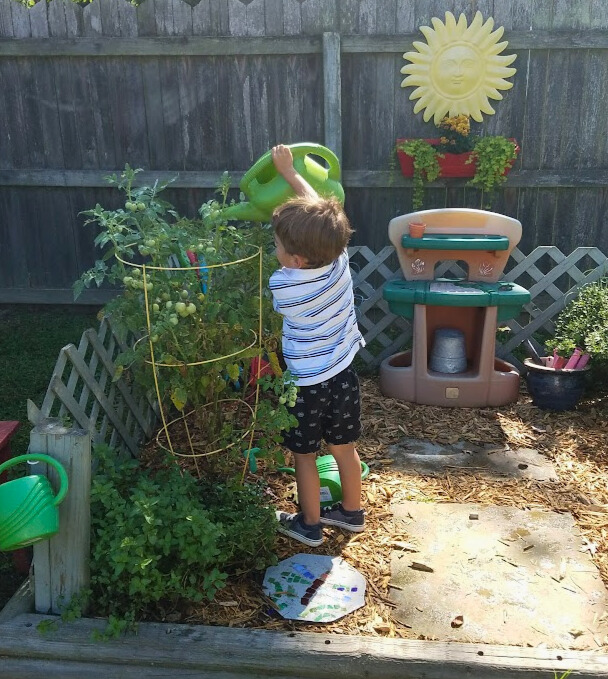
To make gardening a fun, positive experience for preschoolers you need to allow them to be as hands-on as possible. There are many ways to do this. First off, provide your little one with their own area that includes lots of space for digging in the dirt. Although you are teaching them to take care of the plants and care for the natural world around them, be okay with a few plants getting stepped on- it’s going to happen with young children! To minimize this, be sure and leave as much space as possible around the plants so there is plenty of room for walking.
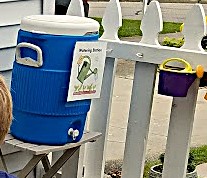
Keep gardening tools accessible to them. Kid-sized shovels, wheelbarrows, watering cans, rakes, etc., are great to use. Children love to water the garden so having water available for them to independently access is also good. You don’t necessarily want to give young children full access to a hose, so provide alternative ways to water. I used an old water cooler and refilled it each day so that my preschoolers could independently fill their watering cans to water our class garden. You can also teach your child to be a good steward of our resources and leave the top off the cooler when it rains and collect rainwater to water the garden with.
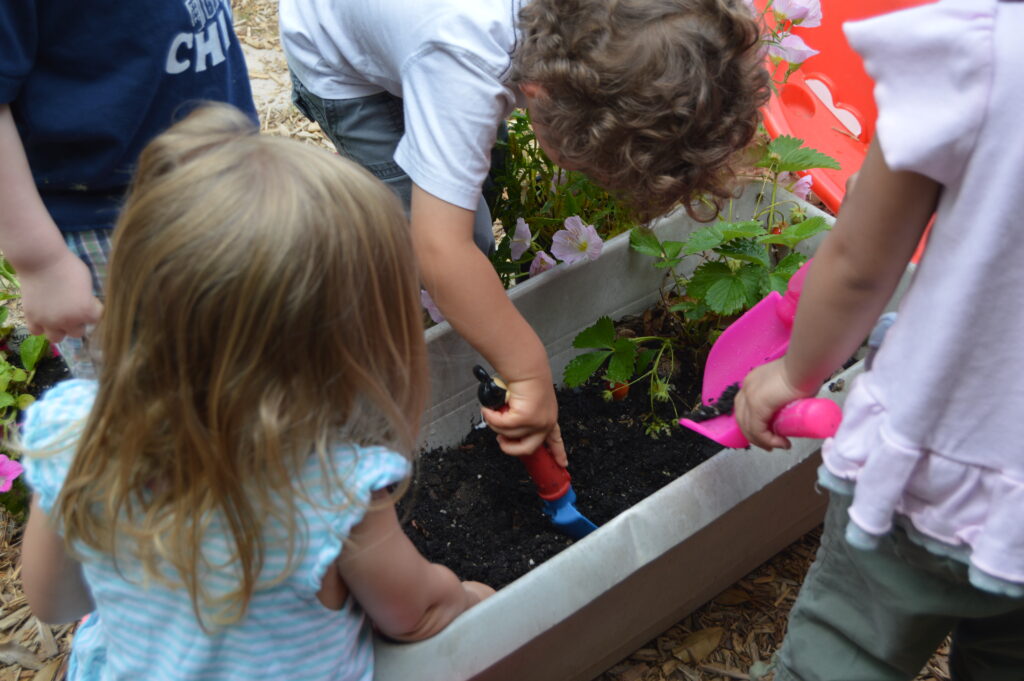
You do not need to have a large elaborate garden to teach your child about the value of gardening. A small, simple garden can have just as much impact. Give your preschooler choice in what is planted. To promote the most successful outcomes, have them choose from seeds and plants that are easy to grow, such as peas for vegetables and zinnias for flowers.
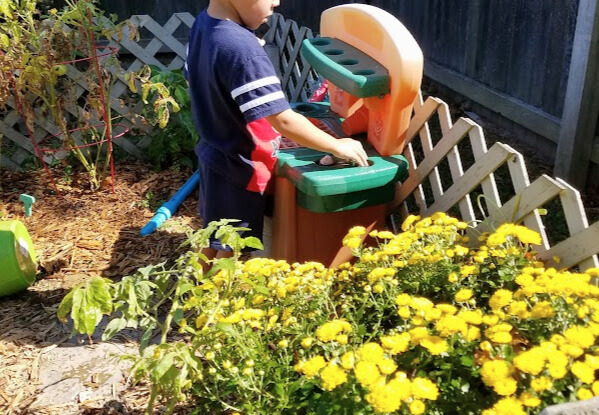
Being outside in the fresh air, engaging their senses and getting physical activity as they “work” in the garden is so beneficial for children. But gardening can also have an enormous impact on their academic learning as well. Your little one can practice spelling and writing by making markers for each of the plants or by creating a diagram of all the garden and labeling it. You can incorporate math skills by having your child count the number of seeds or plants they are planting, or the number of tomatoes they picked, or measure how far apart the plants are, or how tall the plants grow.
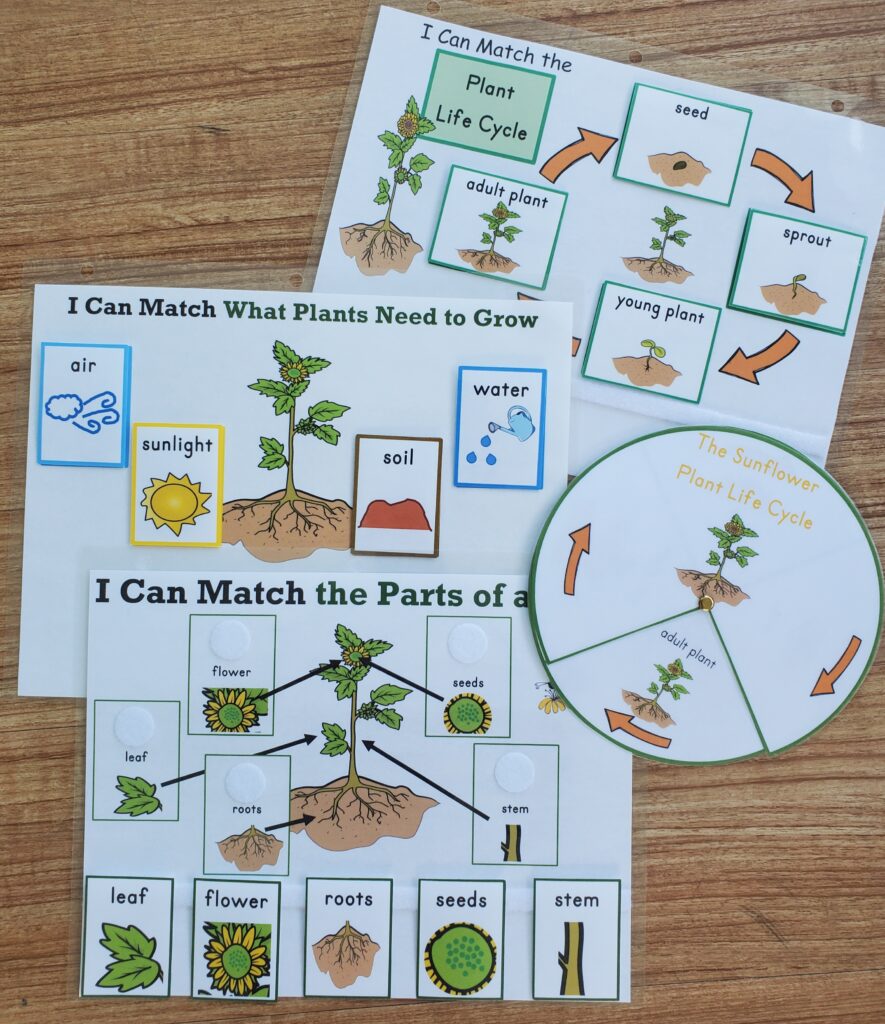
Gardening is an excellent hands-on way to teach children about the lifecycle of plants. If you are looking for activities about plants and the lifecycle that you could use with your preschooler, be sure and check out this one I have available in my Etsy shop.
The list of ways gardening benefits young children is truly endless. After reading this, I hope that you are encouraged to go out and start a small garden with your little one! Here’s to happy times digging in the dirt surrounded by fresh air and nature!